Week 7 - Story Overview
- Julia Toczyska
- Nov 7, 2024
- 3 min read

Updated: Dec 23, 2024
Today, we got introduced to Celtx, a preproduction software tool used for screenwriting and planning film projects. Our lecturer Liam said that he often uses this tool in his own project and strongly encourages us to give it a go once we get to writing our own scripts!
But... What are The 5 C's?
One thing we didn't get to write about is the 5's. We already had them at the back of our minds whilst writing the Beat Sheet, however, I figured it would be nice to properly write them down.

What are the circumstances in your story? The protagonist is trapped within his own house, unwilling to leave (based on hikkiomori culture and dealing with grief/depression).
What makes the audience curious about your story? The abstract representation of grief, the characters, and the horror aesthetics.
Who are the important characters in your story? The protagonist and the entity of Acceptance.
What conversations drive your story? Interactions with the entities.
What conflicts occur? Confronting trauma.
Story Overview
Plotline
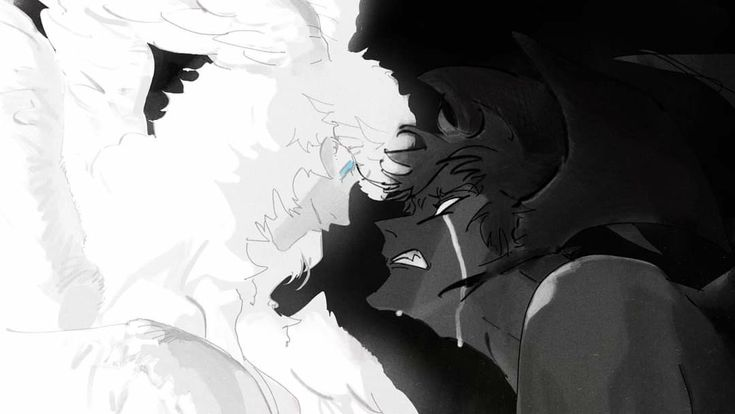
Isolated hikkiomori facing the stages of grief through his own nightmarish dreamworld.
Overview
The main protagonist wakes up in his own room, however, he soon discovers that something isn't quite right. Soon enough the ghosts from his pasts appear to haunt him in a never ending nightmare. As the protagonist explores the nightmarish hallways of his own home, he enters a series of doors leading to interconnected dream worlds, each representing the different stages of his very own grief.

Characters
Cecilia - entity in the first room, representing denial
Ira - entity representing anger
Rue - entity representing bargaining
Acheron - entity representing depression
Ophelia - the diseased lover, representing acceptance
Choice of Names
Whilst settling on character names, we have decided to look for names with relevant meanings to our story. A good name can pack a ton of meaning and give a story an extra layer of depth. Whether it’s a character, a place, or even an object, the right name can hint at personality, backstory, or even themes in a way that feels subtle but super satisfying. In our case, through giving our characters names that resonate with their roles, we are subtly guiding the audience to connect with their essence before they even appear on the screen. The names don’t just describe the stages of grief - they feel like them, creating an emotional shorthand that enriches the storytelling. It’s like planting little seeds of meaning that grow as the story unfolds.
Cecilia (Denial)
The name Cecilia has roots in Latin, meaning "blind" or "dim-sighted". This ties beautifully to the idea of denial, where someone metaphorically blinds themselves to reality because it’s too painful to face. The name suggests an entity that refuses to see the truth, embodying the first stage of grief in a way that feels both poetic and haunting.
Ira (Anger)
Ira is a straightforward yet striking choice, as it literally means "anger" in Latin. Its directness make it feel raw, just like the emotion it represents. The name feels confrontational, perfectly capturing the intensity of this stage of grief.
Rue (Bargaining)
Rue is a fantastic name for bargaining because it works on multiple levels. It’s short for "regret", which ties into the feelings of guilt and desperation that often come with this stage. Additionally, rue is a type of herb historically associated with sorrow. The name feels delicate but heavy with meaning, much like the emotional weight of bargaining itself.
Acheron (Depression)
Acheron, a river in Greek mythology, is often associated with the underworld and the passage of souls. This name is steeped in melancholy and evokes a deep, almost otherworldly sadness. It’s perfect for representing depression, as it represents images of being stuck in a dark, endless current, unable to escape. The mythological connection adds a sense of timelessness and depth to the character.
Ophelia (Acceptance)
Ophelia carries a bittersweet weight because of its association with Shakespeare’s Hamlet. In the play, Ophelia is a tragic figure who succumbs to grief, but in our story, she represents acceptance - the final, most peaceful stage. Her name suggests a quiet, sorrowful beauty, and as the deceased lover, she feels like the heart of the narrative. Her presence ties everything together, offering closure and meaning to the journey.
Theme of the game
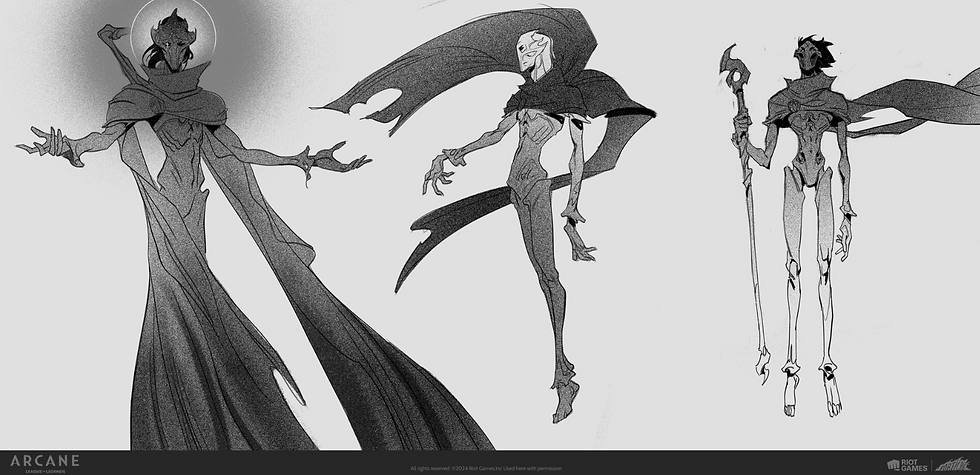
Having our story concept practically done, we have decided to move onto Pinterest, a great platform for Mood Boarding. There we have decided to create sections for each of the characters as well as the overall theme of the games setting. I will link the mood board down below!


Comments