Week 3 - Extended Realities
- Julia Toczyska
- Nov 2, 2024
- 6 min read

Updated: Dec 21, 2024
How do we create a sense of place in our immersive story?
We started todays lecture discussing what is place, and how we can create it? Well, one way to create a sense of space is through establishing shots. They are crucial in storytelling as they set the scene and establish the visual and emotional tone of a place before the story actually begins. These shots help viewers understand where the story takes place, providing essential context and grounding for the narrative. As the lecture continued, we started looking at different project and the ways in which they establish their own sense of place.
Italia Terremotata

The Italia Terremotata project focuses on Senerchia, a town in southern Italy that was destroyed by a earthquake. The project utilized advanced LiDAR technology to capture the details of the damaged landscape in Senerchia. This technology enabled the project team to create a highly detailed and accurate digital replica of the towns ruins, preserving elements like surface textures, colorus, and architectural structures. Alongside LiDAR, the team also used 360 panoramas.

The project offers a way to virtually explore Senerchia as it was before and after the disaster. It aims to not only document the physical damage but also capture the impact the earthquake had on its community, whose members struggled to reconnect with their sense of place after the disaster.
I found the technology used in this project extremely intriguing. While coming up with the idea for my project I was strongly inspired by our university, especially the corridor right outside our base room. I was thinking of using a similar 360 scanner in order to digitally recreate the rooms and corridors at our university.
360 Scanners
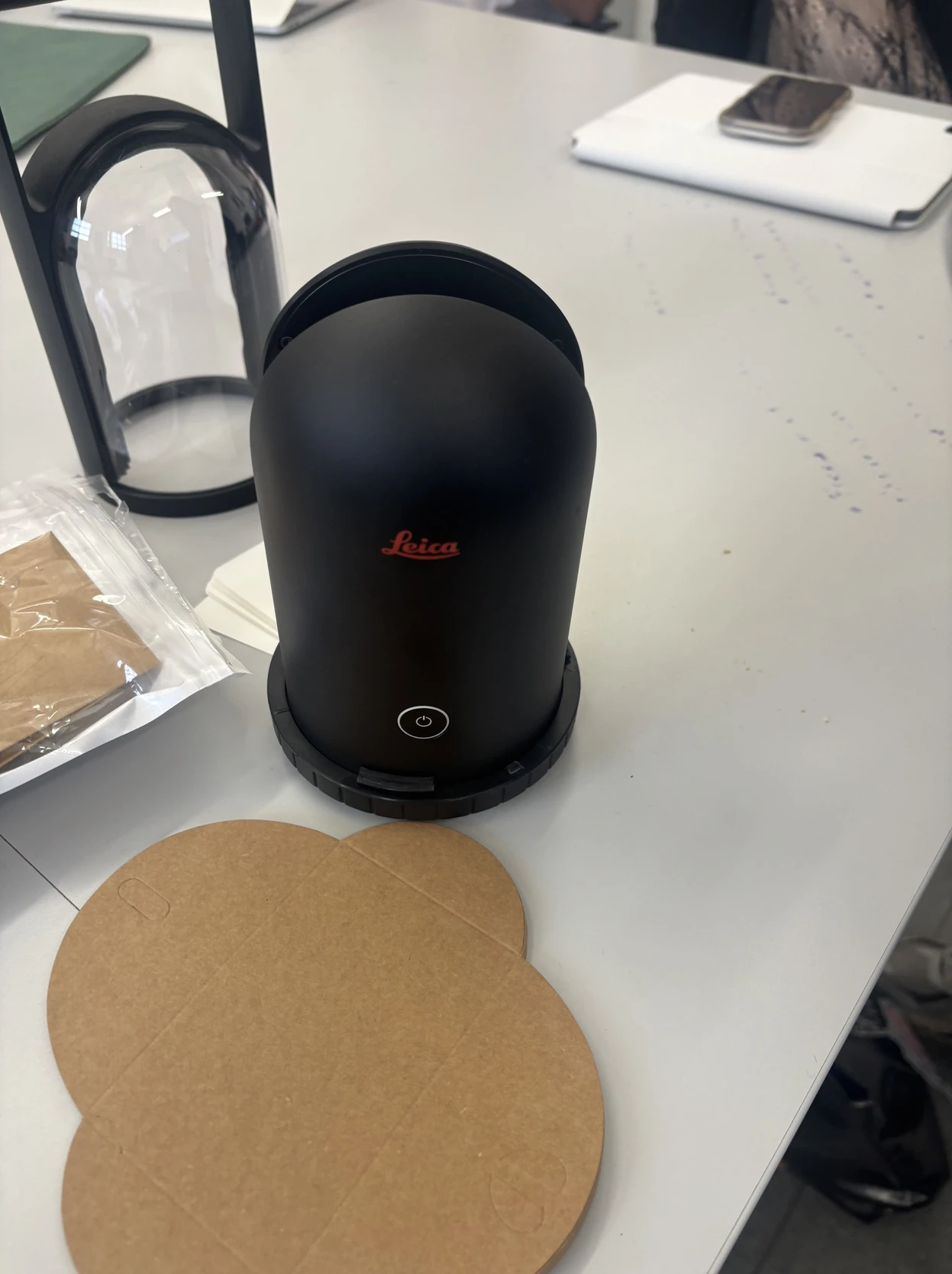
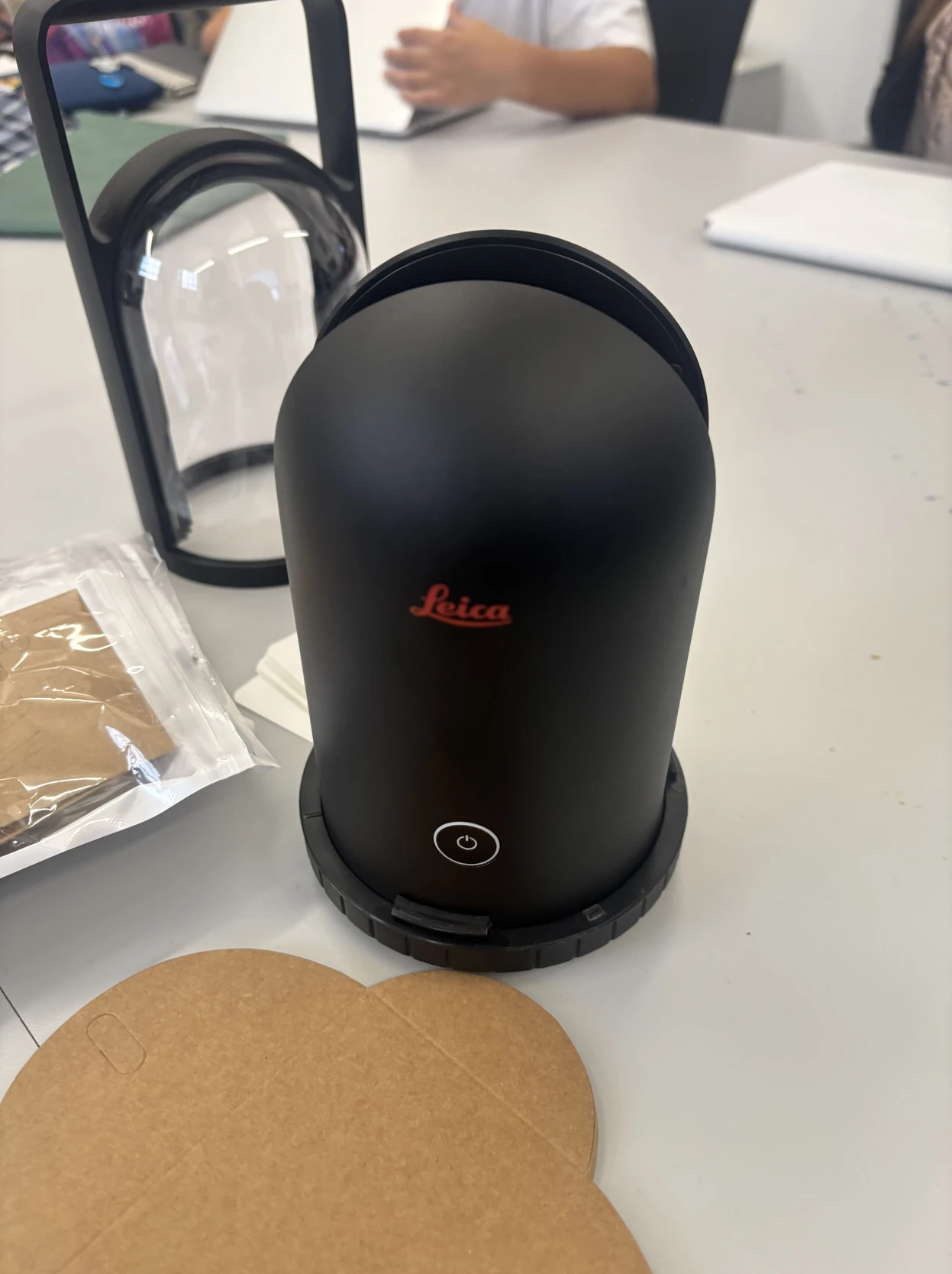
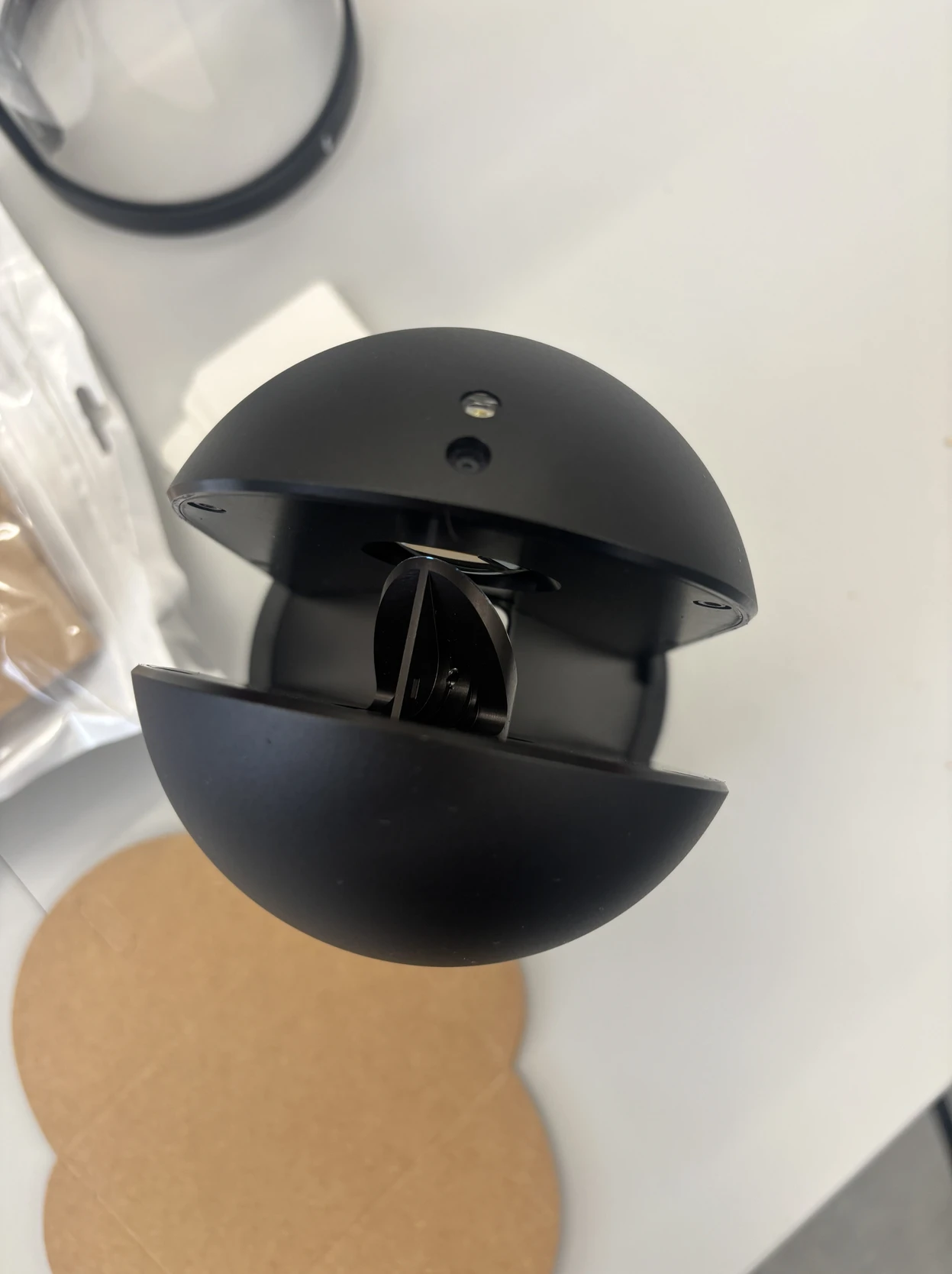
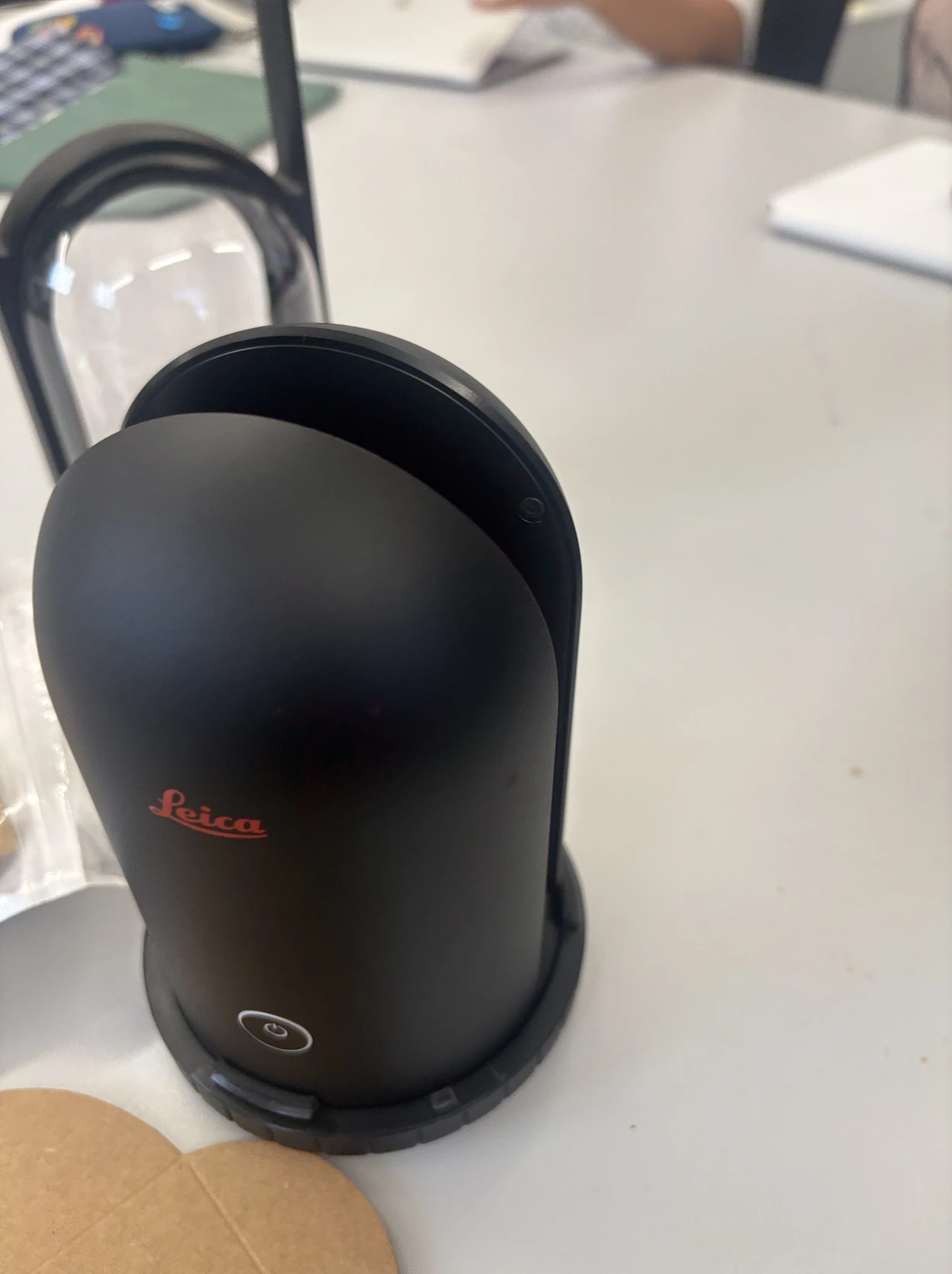
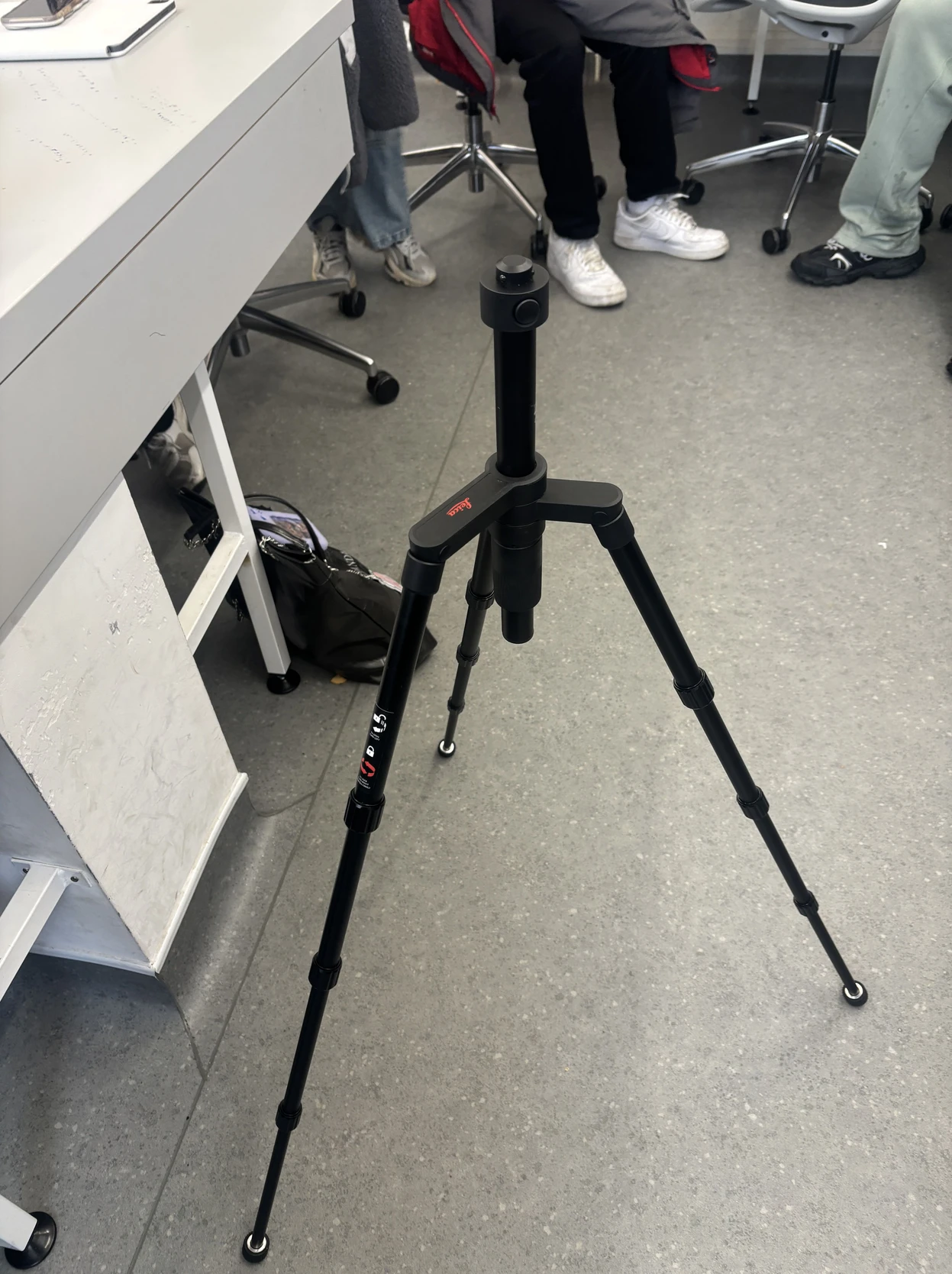
Speaking of 360 scanners, our lecturer Emily actually managed to bring in one for the lecture! The scanner uses a spinning mirror to bounce infrared laser beams across the room, measuring the depth of objects much like the facial recognition technology in our phones. While we couldn't see the laser by eye, a camera should pick them up without a problem. This scanner specifically has a special app that renders and displays the 3D scans. I believe I could incorporate this scanner in the project like I have mentioned above - however, I need to keep in mind to be extremely careful while using the scanner, this thing is more expensive than a car!


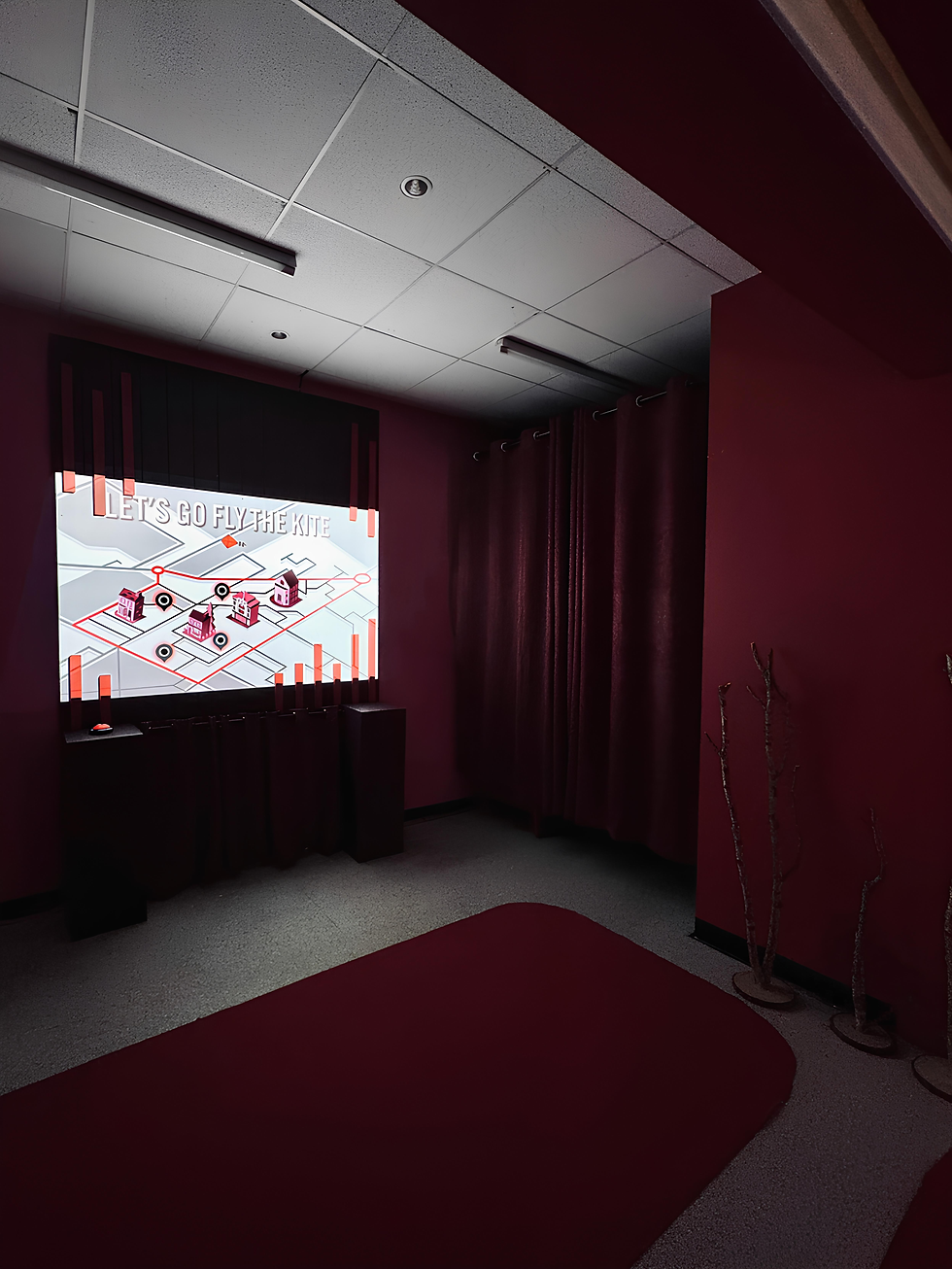
Seven steps of Digital Storytelling
Over the next 7 weeks of this module, we will explore the 7 steps of digital storytelling. These include:
Owning your insights, creating a story that feels unique and powerful
Owning your emotions, exploring emotional power/resonance of stories
Finding the Moment
Seeing your story, bringing stories to life
Hearing your story, voice and sound
Assembling your story
Sharing your story
Lets ask ourselves some important questions...

During this point of the lecture we were faced with some important questions about the morality of storytelling. At this point in time my narrative is not yet set in stone, however, I will try to give my honest answer to each and one of the questions below:
How do we maintain a neutral position when working with emotive content?
Maintaining a neutral position with emotive content can be tricky, especially since the goal is to move audiences. I believe the best way to approach this is to base the narrative on universal experiences and values rather than pushing a specific viewpoint onto someone. This can allow audiences to interpret the story through their own perspectives, without feeling persuaded by the narratives stance. Structuring the story to offer multiple perspectives, perhaps through different character choices or branching storylines, can also help present a balanced view on complex issues, allowing the content to feel more objective while still emotionally engaging.
One example of this multi perspective approach in videogames is Life Is Strange. The game takes a personal approach to complex issues by allowing players to experience the story from multiple viewpoints, primarily through the protagonist, Max, and her friends and classmates. The game addresses topics like mental health struggles, bullying, and loss in ways that allow players to empathize with the experiences of different characters. The choices players make affect how characters view each other, creating a deeper understanding of the impact of personal traumas on individuals and the people around them.

What emotions are appropriate to share?
The emotions that feel right to share will often depend on the target audience and the theme of the story. However, authenticity is generally key. Audiences resonate with emotions that feel honest and grounded in reality. At the same time, it is essential to consider the audiences emotional journey, as some intense emotions (like despair or rage) can be difficult to digest for some. It is important to include content warnings while covering sensitive topics, and include helpline contacts if necessary.
Which emotions will best help the audience understand the journey contained in your story?
Emotions can be a powerful way to convey a story. As it stands, the theme of my project is being lost in a creepily long and scary hallway of an old art school with no clear way out. As the protagonist explores, feelings of unease and anxiety start to settle in. Unsettling sounds, peculiar lighting, or strange encounters add onto these feelings, creating a sense that something isn’t quite right. The absence of familiar people or friends adds into the protagonists feeling of isolation. So in summary, the feelings of anxiety, isolation and unease will best help the audience understand the journey and the message within my story.
Can you think of a story that has made you feel certain emotions?
Certainty, The Walking Dead by Telltale Games covers a truly tragic story that I hold dear to my heart. Clementine’s character arc, in my opinion, is one of the most emotionally compelling journeys in video game storytelling. As a player, the emotional connection to her grows over the course of the games as we witness her evolution from a vulnerable child into a survivor shaped by the post apocalyptic world around her.
(Warning! This section of the blog contains huge spoilers of the ending of The Walking Dead season one! You have been warned!)

When we first meet Clementine, she is a sweet eight year old who has been separated from her parents in the early stages of the zombie apocalypse. This early portrayal makes players feel a natural protectiveness toward her. Lee Everett, the game’s protagonist, becomes her adoptive father, and through his eyes, players quickly form a bond with Clementine.

Lee’s death in The Walking Dead season one is one of the most emotionally devastating moments in the series, and the weight of Clementine’s choice in that scene, to end his misery or leave him to turn into a zombie, only amplifies it. By the time Lee is bitten, Clementine has already experienced significant loss, but this moment forces her to confront it in a deeply personal way. Throughout the game, she had relied on Lee not just for protection but also for emotional support, guidance, and a sense of safety. Lee’s impending death strips that away, leaving Clementine to face a world that seems colder and more dangerous without him.

In that final scene, Clementine is no longer the innocent child we first met. She’s forced to make a brutal, adult decision, whether to put Lee out of his misery, as he requests, or leave him to turn into a zombie. Either choice marks a painful turning point for Clementine, no matter what she decides, it forces her to confront the harsh reality of life and death in this world.
If Clementine chooses to shoot Lee, it’s an act of mercy, but it’s also deeply traumatic. She’s just a child, and taking the life of the person who has been her only family is an agonizing decision. In that moment, Clementine is forced to grow up, to accept that even the people she loves the most can’t be saved. By granting Lee his final request, she’s showing maturity and compassion, but at the cost of her emotional innocence. For all the reasons mentioned above, this scene in particular made me feel pain beyond words. While exploring storytelling in my own project, I wish to tell a story just as compelling as the one in The Walking Dead.
Here's a reaction video from PewDiePie which perfectly captures all the emotions I have felt while watching this scene for the first time, it's just beyond heart breaking..
Playing around with 360 cameras


Anyway, moving on from tears.. Towards the end of the lecture, our lecturer Emily has rented out 360 cameras for us to play around with! They went over the different extra trinkets the cameras come with, for example the gopro version of the cameras can have a fish eye lens attached to it! I have paired up with some friends and took off to test the camera out in the wilds. Sadly we didn't realise the the SD card used by the camera was low on storage... This meant that our playtesting in the base room turned into our only real footage... Well that is something to learn from and keep in mind for the future. Regardless, the experience was extremely fun and the footage we took was so silly to look over.
Outcome
Well... at least the star of the show, Lara the Labrador, made it into the video! While 360 cameras are a blast to experiment around with, they won't really fit the needs of my current project. Still, I can see them coming in handy in the near future.
Comments